


Home » Award Recipients
The ASPB-Carnegie Winslow Briggs Mentorship award honors Winslow Briggs and his outstanding contributions, leadership, and mentorship in plant biology, as well as his extraordinary career-long attendance at ASPB annual meetings. This biennial monetary award recognizes an individual with at least five years of continuous membership at the time the award is made for their demonstrated commitment to mentoring and supporting next-generation scientists, for making a significant positive impact on their former mentees’ careers, and for advancing research in the field of plant science through their former mentees. The recipient is invited to chair a concurrent symposium at the Plant Biology conference in the year following their award.
Initiated in 1971 by the Society to honor Dr. Charles A. Shull, whose personal interest and support were largely responsible for the founding and early growth of the Society. It is made annually for outstanding investigations in the field of plant biology by a scientist who is under forty years of age or is less than ten years from the granting of the doctoral degree. The recipient is invited to address the Society at the annual meeting the following year.
This award was established by an endowment from the Kettering Foundation in 1962 to recognize excellence in the field of photosynthesis. It is a monetary award to be given in even-numbered years to an individual for meritorious work in photosynthesis.
Established in 1925 at the first annual meeting of the Society, this award honors Dr. Charles Reid Barnes, the first professor of plant physiology at the University of Chicago. It is an annual award for meritorious work in plant biology; it provides a life membership in the Society to an individual who is at least 60 years old.
The Jane Silverthorne Early Career Award, which was instituted by the Society’s executive committee in 2005, was renamed in 2023 to honor the contributions of Jane Silverthorne to the science of plant biology – and, in particular, her commitment to programs that nurture early career researchers. The award, which recognizes outstanding research by scientists at the beginnings of their careers, is a monetary award made annually for exceptionally creative, independent contributions by an individual, whether or not a member of the Society, who is generally not more than seven years post-PhD on January 1 of the year of the presentation.
This honor, initially given in 1932, provides life membership and Society publications to distinguished plant biologists from outside the United States. The honor is conferred by election on the annual election ballot.
This biennial monetary award honors an ASPB member with a strong record of increasing diversity and inclusiveness in plant biology. The awardee will be invited to give a plenary presentation at Plant Biology 2027 in Albuquerque, NM.
This award recognizes outstanding teaching, mentoring, and/or educational outreach in plant biology. It is made annually to honor excellence in teaching, leadership in curriculum development, or authorship of effective teaching materials.
Established in 2007, the Fellow of ASPB award may be granted in recognition of distinguished and long-term contributions to plant biology and service to the Society by current members in areas that include research, education, mentoring, outreach, and professional and public service.
This award honors Dr. Bogorad’s many contributions to plant biology. It is a biennial award made to a plant scientist whose research both illuminates the present and suggests paths to enlighten the future.
The Robert Rabson Award, first given by the Society in 2012, recognizes postdocs and faculty-level early career scientists in academic, government and corporate research institutions who have made excellent contributions in the area of bioenergy research. The award, which is made biennially, is a monetary award that also provides a one-year membership in the Society.
This award honors the Reverend Stephen Hales for his pioneering work in plant biology published in his 1727 book Vegetable Staticks. Established in 1927 for a scientist, whether or not a member of the Society, who has served the science of plant biology in some noteworthy manner. The annual recipient of the award is invited to address the Society at the next annual meeting.
Renamed in 2019 by ASPB’s Board of Directors to honor the contributions of its 2006 recipient, the ASPB Science Policy Committee awards the Mary Clutter Leadership in Science Public Service Award annually to recognize individuals who have advanced the mission of ASPB and its members through significant contributions to plant science and public policy leadership. Awardees generally have made contributions to the broader society that are relevant to the work of plant biologists; recipients need not be plant scientists themselves.

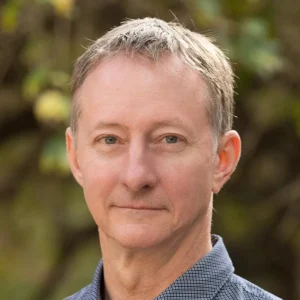
Antje Heese, a Professor of Biochemistry at the University of Missouri, works on plant innate immunity and protein trafficking. A member of ASPB since 2007, she has focused much of her energy on training and advising undergraduate and graduate students. She has mentored 26 undergraduate students, 8 graduate students, 3 postdoctoral fellows, and advised 156 undergraduates, providing them with the confidence and encouragement to present their work as talks and posters at both national and international conferences. Many students who were part of Antje’s group have co-authored manuscripts that were published in highly respected journals and have received scholarships and fellowships to continue their scientific careers. Former students have been highly successful in being accepted into PhD programs, obtaining postdoctoral positions, as well as assuming research and teaching positions in industry and academics. Her dedication to training and professional development, which has been highly influential in guiding and promoting the goals of students, is widely recognized by students, colleagues, the University, and members of the national and international scientific communities. She has received many awards that honor her mentoring, with the latest being the MU CAFNR Outstanding Undergraduate Advisor Award (2021) and the MU CAFNR Outstanding Graduate Mentor Award (2023). High praise for Antje comes from the words of her students and colleagues in letters which are appreciative, personal, and caring. As one colleague states, Dr. Hesse’s ‘record reflects not only dedication, but sustained excellence, measurable impact, and transformative influence on the next generation of plant biologists.’
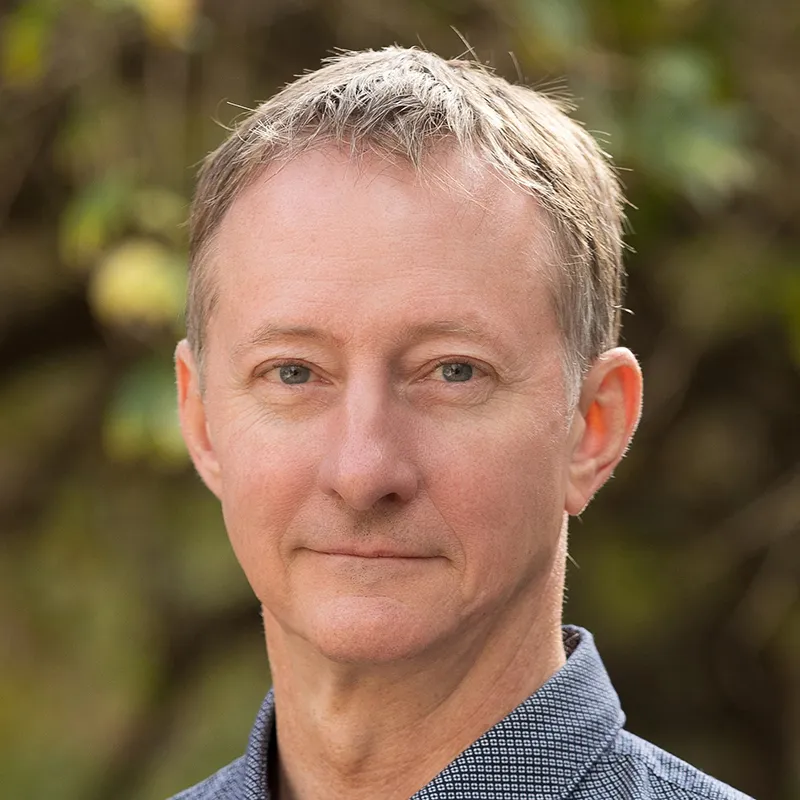
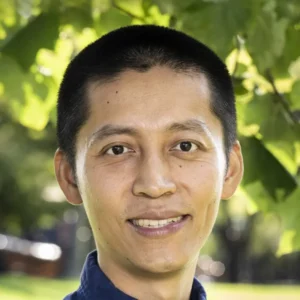
Steve Jacobsen has performed seminal work on plant epigenetics, especially associated with DNA methylation, that has been published in high impact journals. He has trained numerous postdoctoral fellows and graduate students, providing them with the rigor and vision to assume international leadership roles in elucidating epigenetic mechanisms and diversity in plants. Several of Steve’s mentees have moved epigenetics into novel, associated research areas including centromere engineering, meiotic recombination, chromatin assembly, the use of single cell technology to probe DNA methylation and even exploring how such work can be focused on plant biotechnology and agricultural innovation. His group has extended his epigenetic analyses to encompass mammalian cells, bridging the gap between plants and animals, with implications for human health. Steve’s trainees also fostered the establishment of a new generation of informed scientists through roles as educators at community colleges and undergraduate teaching institutions. Astoundingly, over the years his laboratory has worked with over 300 undergraduate students who have participated in designing, implementing, and analyzing experiments. Many of these former students moved on to graduate school and/or established careers in science. Steve has built a scientific legacy that has strongly integrated discovery and mentorship at multiple levels and that is deeply committed to training future generations of scientists and educators.

A world apart from academic research, the path from developing a polyphenol-rich crop to a product for consumers is not one taken by many research scientists. I will describe the road to commercialization of anthocyanin-enriched, purple tomatoes in the USA and subsequently in Canada and Australia. In describing some of the difficulties encountered and the extra work that was necessary for a successful commercial launch of a new biotech product, I hope to encourage others to believe that there is a viable and affordable route to market, and an appetite for foods that can protect health. The continued support and interest from plant scientists globally was key to the eventual success of this venture, which laid the foundation and generated the optimism for developing more heath-protecting biotech foods
that could deliver nutrition security. I hope to encourage others to develop products designed for consumers from their research.
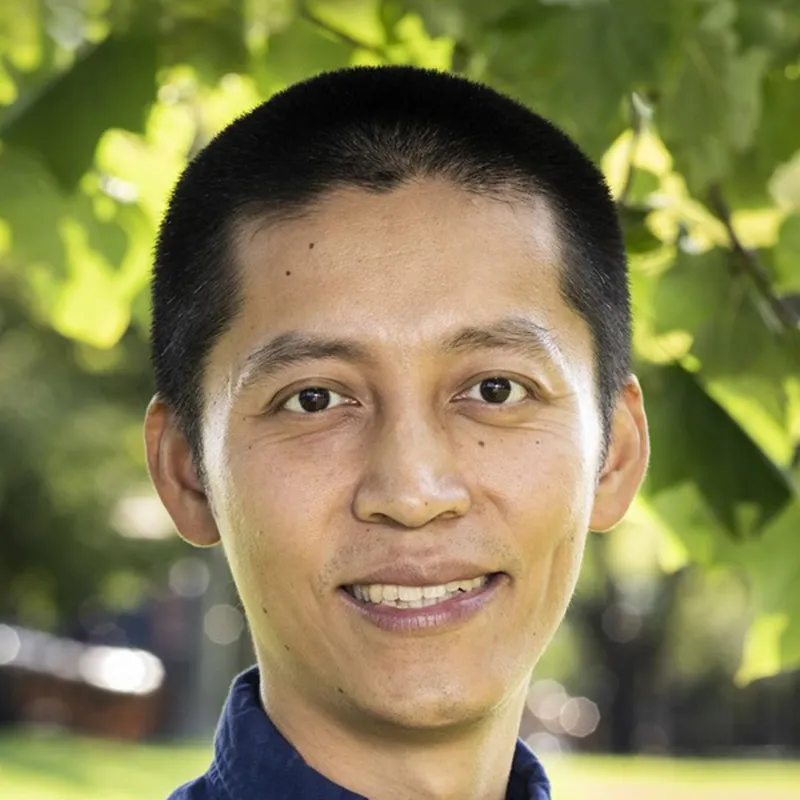
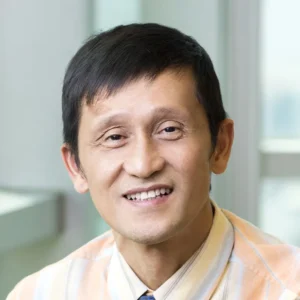
Jing-Ke Weng, a professor of chemistry, chemical biology, and bioengineering at Northeastern University, is the 2026 recipient of the Charles Albert Shull Award. Jing-Ke is a plant biochemist whose research has transformed our understanding of the origin, evolution, and function of plant specialized metabolites. By integrating comparative genomics, biochemistry, and synthetic biology, Jing-Ke has elucidated mechanisms by which key metabolic enzymes evolve new functions and has reconstructed complex biosynthetic pathways in a range of plant species and systems. His discoveries have illuminated how plant natural products contribute to ecological interactions and adaptation, and have fostered the sustainable production of valuable compounds for medicine and agriculture. Jing-Ke is further recognized for advancing the field through the development of interdisciplinary approaches that bridge evolutionary biology and chemical innovation.
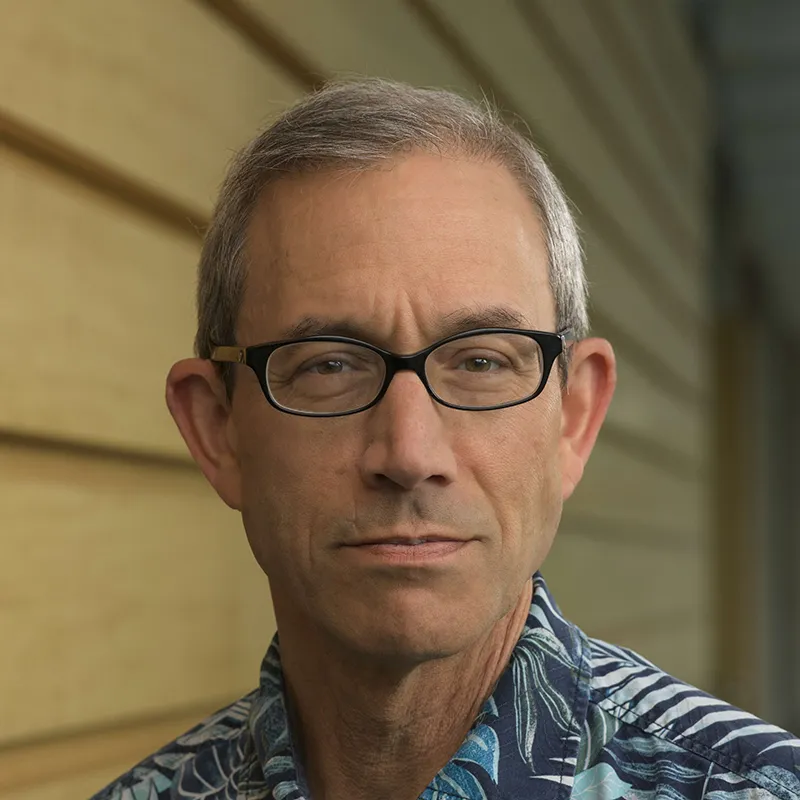
Krishna K. Niyogi is recognized with the ASPB Charles F. Kettering Award for his transformative, career-spanning contributions to understanding and improving photosynthesis. His pioneering genetic and interdisciplinary work established foundational principles of light harvesting regulation and photoprotection, including landmark discoveries defining the xanthophyll pigments central to non-photochemical quenching (NPQ) and genes underlying energy-dependent quenching. By extending these insights across photosynthetic lineages, he uncovered key algal NPQ components and an evolutionarily distinct violaxanthin de-epoxidase, illuminating parallel evolutionary solutions to excess-light stress. His creation and open dissemination of large Chlamydomonas insertional mutant resources enabled broad discovery of genes governing photosystem assembly, repair, and acclimation, accelerating the entire field. Importantly, Niyogi translated understanding of fundamental mechanism into impact when a photoprotection-engineering strategy increased biomass and seed yield in replicated field trials, demonstrating that rational photosynthesis improvement can raise crop productivity.
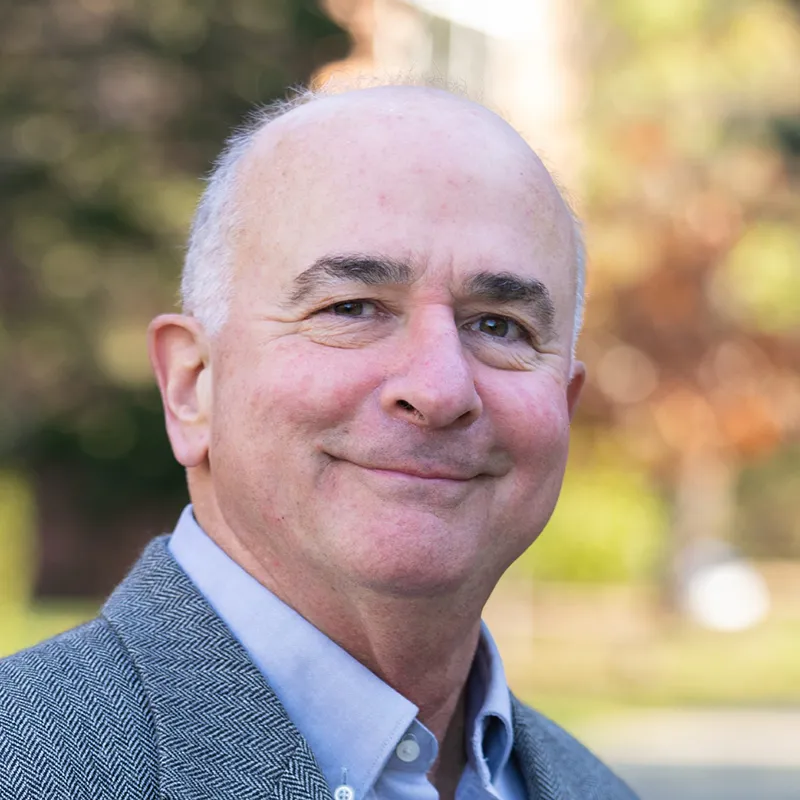
Robert (Rob) Last is a leading figure in plant biology, celebrated for his innovative research on plant metabolism and stress responses. His groundbreaking studies, utilizing innovative genetic techniques, have elucidated critical metabolic pathways, including vitamin C and vitamin E biosynthesis, UV-B radiation responses, and the evolution of specialized plant metabolism. Rob founded a Plant Genomics Summer REU Program and an NIH-funded T32 Plant Biotechnology for Health and Sustainability program, significantly impacting the training of hundreds of undergraduate and graduate researchers. As a leader in ASPB, he has championed inclusivity and support for early-career scientists. Rob’s contributions have profoundly shaped research and education in the field of plant science.
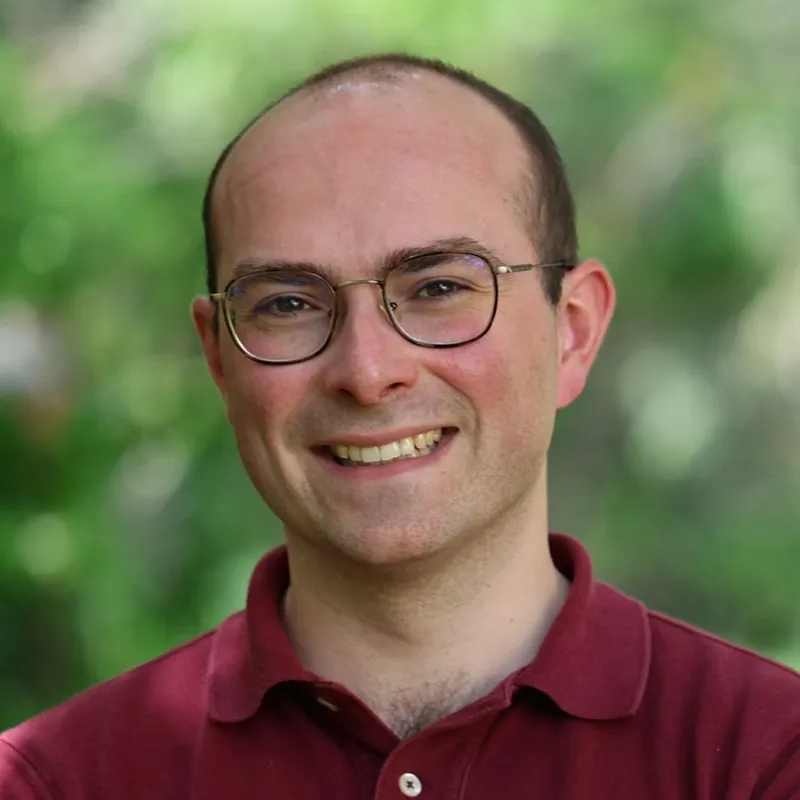
Adrien Burlacot is recognized as the recipient of the 2026 Jane Silverthorne ASPB Early Career Award. Adrien has MSc degrees in both Applied Physics and Plant Sciences. He obtained his PhD studying photosynthesis in the green microalgae Chlamydomonas at Aix-Marseille University in France in 2019. Following postdoctoral research in France and at UC Berkeley, He started his own lab at Carnegie Science in Stanford, California in 2021. Adrien’s lab develops and uses a unique combination of biophysical tools, biophysical modeling, quantitative physiological measurements, and molecular methods to study how photosynthetic cells fix carbon over space and time. His work is crucial for future efforts to engineer plants and algae for improved carbon assimilation.
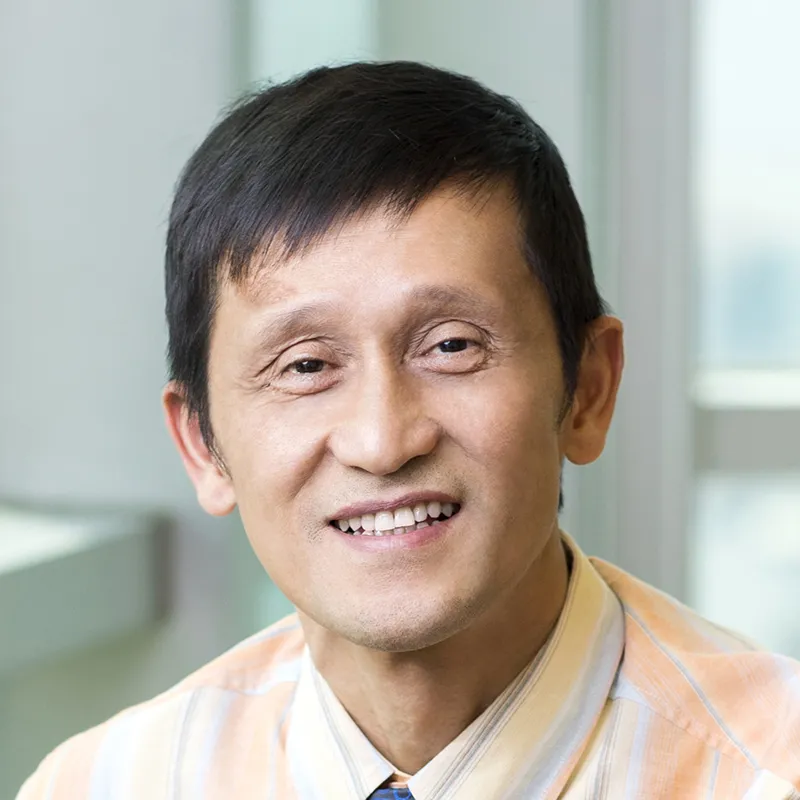
Over the course of his distinguished career, Professor Liwen Jiang has significantly advanced our understanding of plant cell biology, particularly through elucidating the molecular mechanisms underlying membrane trafficking, organelle biogenesis, and function in the plant endomembrane system, as well as its interplay with the autophagic pathway. Liwen’s seminal contributions have helped define key aspects of intracellular organization and dynamics in plants. As an influential leader and mentor, he has assumed numerous editorial roles, received many distinctions, and delivered an exceptional number of invited lectures. His outstanding commitment to training is reflected by the fact that nearly 30 of his former students now hold faculty positions. His impactful research and dedicated service firmly position him as an internationally recognized leader in plant biology.
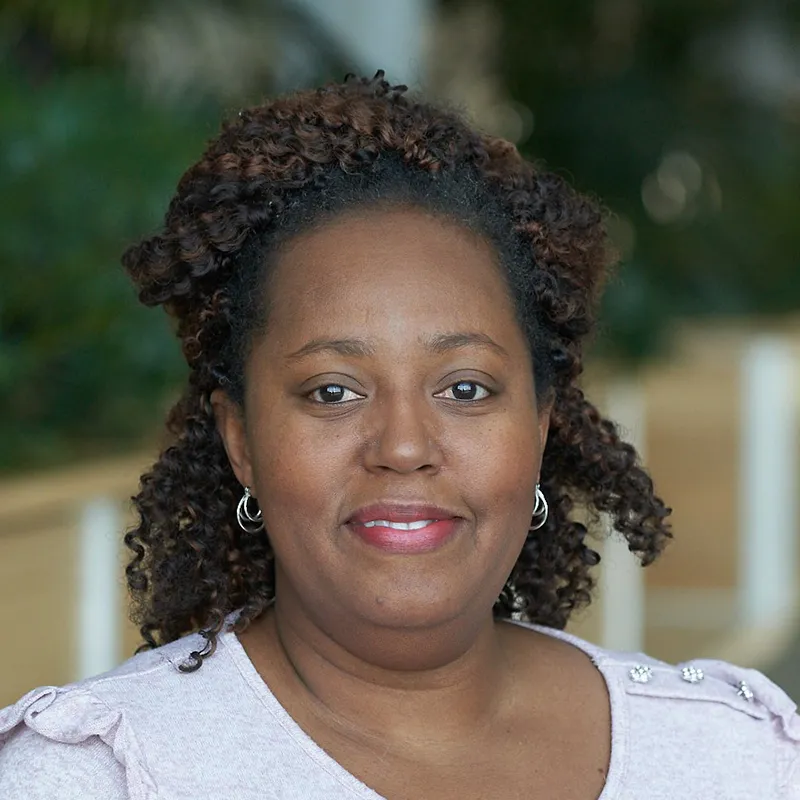
The Equity, Diversity, and Inclusivity Award Committee of the American Society of Plant Biologists (ASPB) is honored to present the 2026 Equity, Diversity, and Inclusivity Award to Dr. Tessa Burch-Smith. Tessa is an Associate Member and Principal Investigator at the Donald Danforth Plant Science Center, where her research focuses on the role of plasmodesmata in plant communication during development and immunity.
The committee recognized Tessa’s exceptional and sustained commitment to advancing inclusion and accessibility in science. In particular, her work to expand opportunities for deaf and hard-of-hearing students to fully participate in research was regarded as both transformative and deeply impactful, earning enthusiastic praise from nominators and committee members alike.
Beyond her leadership in inclusivity, Tessa has provided exemplary service to the plant biology community. Her contributions include dedicated mentorship through Research Experiences for Undergraduates at the Donald Danforth Plant Science Center and distinguished leadership within ASPB as President-elect. Together, these efforts reflect a career defined not only by scientific excellence, but by a profound commitment to community, mentorship, and access.
On behalf of the committee and the broader ASPB community, we extend our warmest congratulations and deepest appreciation to Tessa. Her leadership has broadened participation, strengthened our community, and set a lasting standard for equity and inclusion in plant science. It is a privilege to recognize her achievements and to celebrate the enduring impact of her work.
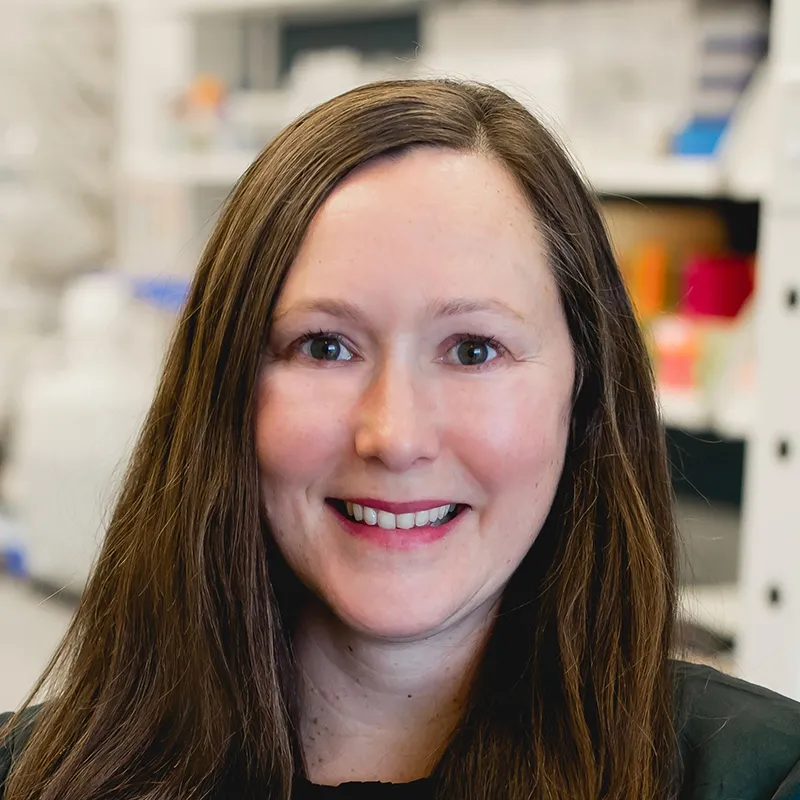
Dr. Dior Kelley has emerged as a leader in education, mentoring, and outreach. Dior has ten years of experience teaching at Iowa State University (ISU) where she has developed an undergraduate course in Plant Molecular Biology and graduate courses in Plant Metabolism and Fundamentals in Bioinformatics. Her courses emphasize exposing students at all career stages to primary scientific literature. In 2023 she was recognized for her outstanding teaching contributions with the ISU Department of Genetics, Development and Cell Biology Teaching Award. Additionally, Dior also has a reputation as an effective and impactful research mentor. To date she has trained 2 postdoctoral scholars, 11 graduate students (MS and PhD), 33 undergraduate students, and 2 K-12 teachers at ISU. Many of her trainees have been supported by external funding including funding from NSF, USDA, DOD, and the ASPB SURF. A majority of her trainees have gone on to pursue further training or careers in plant biology related fields. Throughout her career, Dior has been very active in outreach. In 2021, Dior was awarded an ASPB BLOOME grant to develop a new outreach activity for underserved high school students called “Amazing Roots”. This five-day short course has provided authentic plant biology research exposure to over 60 students from underrepresented backgrounds in STEM. She has also developed an outreach program for young learners called “Botany4Tots” which exposes K-3 students to plant biology through hands-on activities that complement their curriculum. During the 2024-2025 academic year she served as the Curator of Art-Science at ISU and mentored two cohorts of undergraduate and graduate students to create science inspired art to promote scientific literacy and cross disciplinary interactions. Dior has also served on the ASPB Education Committee.
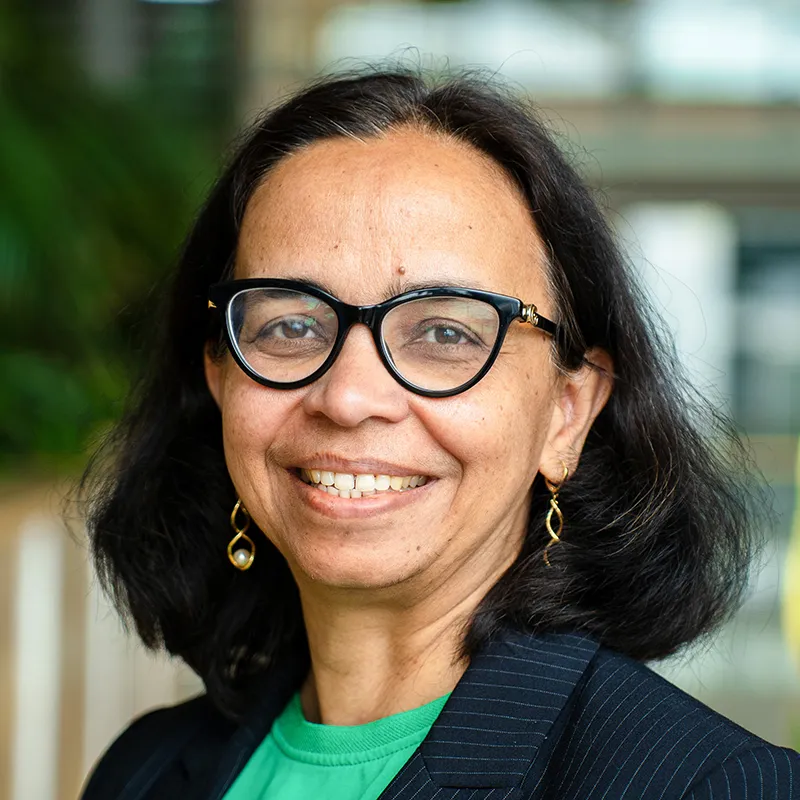
Sona Pandey is a globally recognized leader in plant heterotrimeric G-protein signaling, whose research has significantly shaped the field. As a Principal Investigator at the Donald Danforth Plant Science Center, she leads a program spanning model and crop systems. She has played key leadership roles within ASPB, contributing to equity, governance, and scientific programming, and was recognized in 2024 as one of the “25 Inspiring Women in Plant Biology.” She has been a reviewer for Plant Physiology and The Plant Cell and a consistent contributor to ASPB scientific programming as an organizer, session chair, workshop leader, and invited speaker.
Beyond her research, Sona is an exceptional mentor. For over 12 years, she directed an NSF-funded undergraduate research program, providing hands-on training and fostering the development of future scientists. Sona’s combined impact in research, mentorship, and professional service exemplifies the qualities of an ASPB Fellow.

Lucia Strader holds the Howard H. and Maryam R. Newman Chair in Plant Biology at the Salk Institute for Biological Studies. Lucia’s ground-breaking work on auxin signaling, AUXIN RESPONSE FACTORs (ARFs), the formation of cytoplasmic ARF condensates, and identification of transcription factor transcriptional activation domains have earned broad recognition as a leader in plant hormone biology. At the same time, Lucia has contributed to our field as an outstanding mentor and as strong voice for the importance of fundamental research on plants for elucidating biological processes across eukaryotes. Lucia has served ASPB on the editorial board for The Plant Cell and as chair and organizer for symposia and meeting sessions on Plant Molecular Biology, Hormone Signaling, Biomolecular Condensates, and Arabidopsis Research.
Miguel E. Vega-Sánchez works as a Senior Regulatory Policy Lead for Seeds & Traits at Bayer Crop Science. After his training at the Ohio State University, Miguel led a grass genetics group in the Department of Energy’s national laboratory system. He joined Monsanto (now Bayer Crop Science) in 2014, initially working on anti-fungal and anti-insecticidal bacteria. He eventually transitioned from bench science to policy. In his current role, he advocates for science-based regulatory pathways for biotech and genome-edited crops. As an ASPB member, Miguel has been a champion for advancing diversity and inclusion through the Minority Affairs Committee and the Equity, Diversity, and Inclusion Committee (EDIC), which he led from 2020 to 2022. Currently, Miguel brings people together and advocates for plant science and improved federal policies currently through the Science Policy Committee.
Pradeep Kachroo is Professor of Plant Pathology at the University of Kentucky. He founded and directs the Center for Agricultural and Life Sciences Metabolomics (CALM), a metabolomics and lipidomics mass spec platform that supports and educates investigators at all levels from multiple states. His research program has advanced our understanding of the molecular and metabolic basis of systemic acquired resistance. Pradeep’s interdisciplinary work also has uncovered immune signaling pathways that are conserved across plants and animals, thus impacting human health. Pradeep is recognized for his tireless commitment to supporting ASPB and the broader plant science community. Pradeep has served ASPB as a member of the Science Policy Committee and has an unwavering commitment to mentoring and community building.
Liwen Jiang is the Choh-Ming Li Professor of Life Sciences of the Chinese University of Hong Kong, where he serves as Pro-Vice Chancellor for external affairs, Associate Dean for Research, and Director of centers focused on the study of cell, molecular, and developmental biology and plant and agricultural biotechnology. His work has focused on the endomembrane/secretory system. His team has employed state-of-the-art cryogenic electron microscopy to obtain impressive 3-D images of subcellular structures in variety of plant tissues. Liwen has served the plant biology community through extensive editorial service to journals, including the Plant Cell, and via conference organization. Liwen is also a dedicated and effective mentor, who encourages his students’ independence and career development.
Bonnie Bartel is renowned for fundamental discoveries in peroxisome biology, function and biogenesis. Her group pioneered the use of arabidopsis genetics to investigate peroxisomal processes, leveraging the plant’s unusually large peroxisomes and rescue of peroxisomal mutants on sucrose. Through creative genetic screens combined with sophisticated imaging, her research elucidated mechanisms for organelle generation, maintenance, and destruction. Her group’s discoveries include defining the roles of peroxisomes in physiology, the identification of novel ER domains called “nests”, the characterization of dynamic intralumenal peroxisomal vesicles and the role of peroxisomes in auxin metabolism. Bonnie’s work extends beyond plant biology, with significant implications for biomedicine. She has been an exceptional mentor and educator, bringing plant biology to diverse students and a leader in increasing diversity and inclusion in science. Bartel is an elected member of the National Academy of Sciences and Fellow of the American Academy of Arts and Sciences, the American Association for the Advancement of Science and received the American Society of Plant Biologists Excellence in Education Award.
Dr. Josh Vermaas is recognized for his significant contributions to molecular bioenergy research in photosynthetic organisms. His work provides mechanistic insights into the molecular and biophysical processes underlying bioenergy systems by utilizing molecular simulation and molecular modeling approaches. Josh has developed our molecular-scale understanding of biological questions concerning photosynthesis, and the metabolism of photosynthetic products. His sustained focus on fundamental science with relevance to bioenergy and energy sciences has also provided tools and capabilities to further probe the biochemical systems underlying bioenergy.
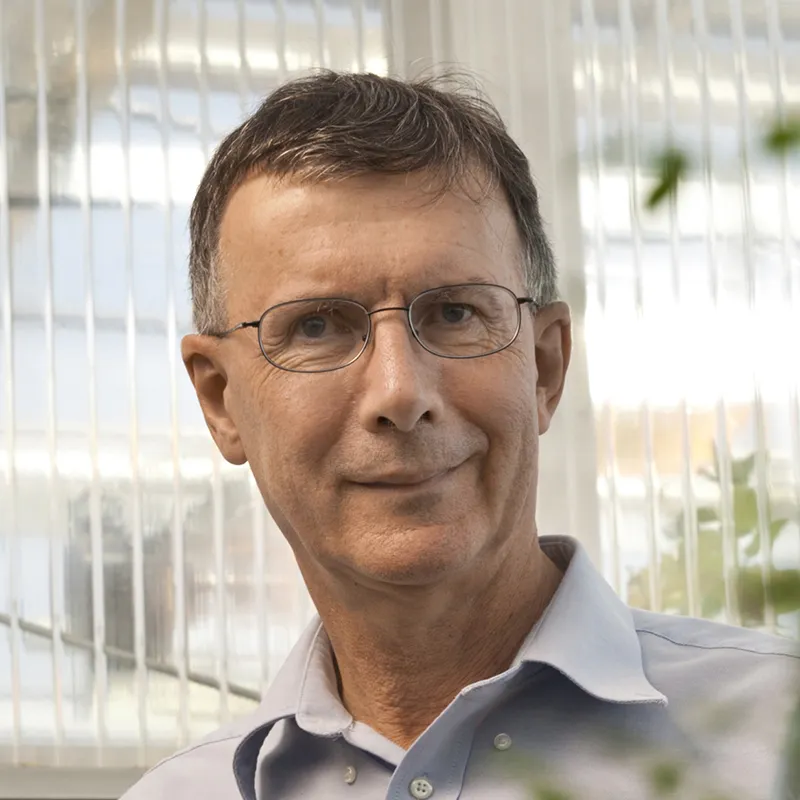
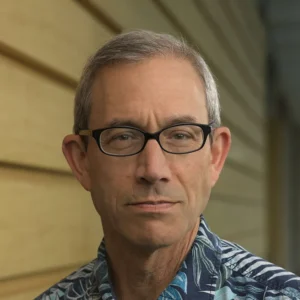
Richard A. Dixon is Distinguished Research Professor (Emeritus) in the Department of Biological Sciences, University of North Texas, and Adjunct Professor at the University of Missouri at Columbia and Oklahoma State University at Stillwater. Rick is a leader in the field of metabolic engineering of plant natural product pathways and their implications for agriculture and human health. Key aspects of his research include the engineering of lignocellulosic biomass for the improvement of forages and bioenergy feedstocks, as well as the delivery of health-promoting phytochemicals. During his tenure as Director of the Plant Biology Division at the Samuel Roberts Noble Foundation, he promoted the development of Medicago truncatula as a model legume. The high-quality whole-genome sequencing project contributed to the expansion of community-wide resources in legumes. In addition, Rick’s work resulted in the commercialization of the first transgenic forage quality trait.
HarvExtraTM alfalfa with reduced lignin levels, improved digestibility, and a flexible harvest window. Altogether, Rick’s impactful scientific contributions earned him frequent recognition as one of the most highly cited researchers in the Plant and Animal Sciences.
Rick has an excellent record in leadership, service to the community, and mentoring the next generation of scientists. Some of these contributions include serving as past President of the American Society of Plant Biologists and several ASPB committees, extensive service on Editorial and national and international Advisory boards.
He has earned several notable recognitions. Rick is an elected member of the National Academy of Sciences, Fellow of the Royal Society, the American Association for the Advancement of Science, the National Academy of Inventors, the American Society of Plant Biologists, and ASPB Pioneer by the American Society of Plant Physiologists, among other achievements.
In summary, Rick’s numerous research discoveries, contributions to the plant biology community, service, and mentorship are highly deserving of recognition and the Stephen Hales Prize.
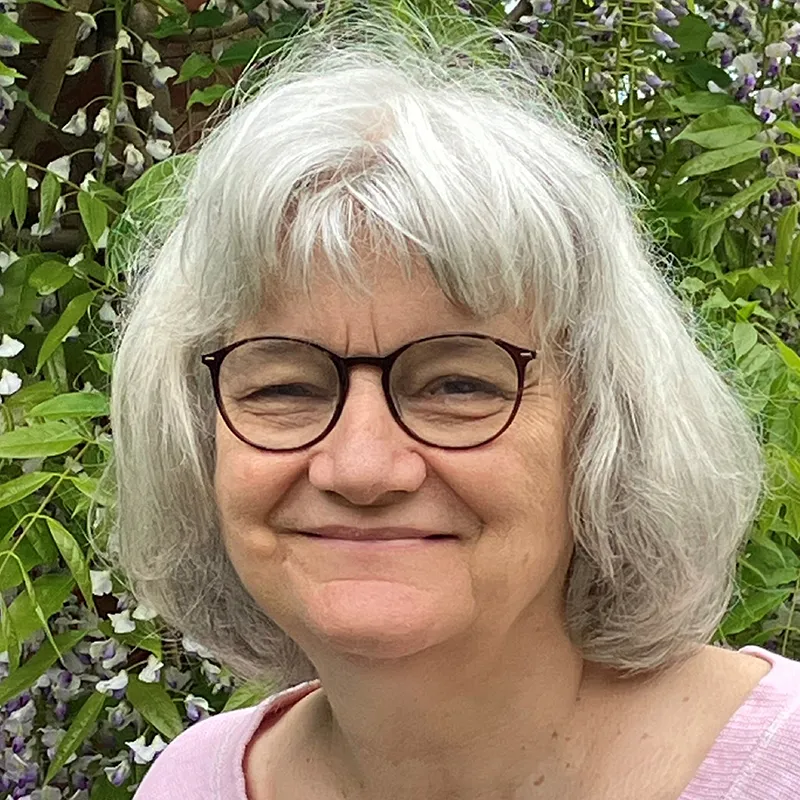
Cathie Martin, a Professor of Plant Sciences at the University of East Anglia and project leader at the John Innes Centre, is the 2026 recipient of the Mary Clutter Leadership in Science Public Service Award. Cathie has a long history of advocating for plant genetic engineering and public acceptance of genetically engineered foods. Her research, which is focused on creating crops with consumer-oriented traits, has included biofortification of fruits and vegetables for human health, metabolic engineering to increase phytonutrients, and improving shelf life. High-anthocyanin purple tomatoes with enhanced antioxidant properties were created by the Martin lab and have received regulatory approval for planting and human consumption in the United States, Canada, and Australia. Previous awards that Cathie has received for her research, leadership in science policy, and public support for plant genetic engineering include: Fellow of ASPB, Fellow of the American Association for the Advancement of Science, Member of the Order of the British Empire, Fellow of the Royal Society, and Rank Prize for Nutrition.