Gibbs Symposium: Auxin Signaling

Mark Estelle
Session Chair

The complexity of auxin biology is reflected by diverse signaling mechanisms and downstream responses. In this symposium, four outstanding speakers will describe their recent discovery of novel signaling pathways detailed mechanisms of transcription and structural aspects of hormone regulated cell growth.

Featured talks

Institute of Experimental Botany, Czech Academy of Sciences.

The mechanism of rapid auxin response in Arabidopsis

Professor, Swedish University of Agricultural Sciences (SLU), Umeå Plant Science Centre (UPSC)

The role of the plant cuticle during apical hook development

During soil emergence, dicot seedlings form an apical hook protecting the apical meristem through hormone-regulated developmental phases. While hormonal control is well understood, structural mechanisms remain unclear. Our work reveals that cuticle-defective mutants show impaired hook formation, highlighting the cuticle’s key role. This talk explores its regulatory contribution.


Howard H. and Maryam R. Newman Chair of Plant Biology, Salk Institute for Biological Studies

Understanding transcription in plants

Description of talk: The Strader Lab has been using the AUXIN RESPONSE FACTORs to gain a deeper understanding of transcription in plants.

Wageningen University, the Netherlands

Novel auxin functions revealed by rapid, phosphorylation-dependent responses

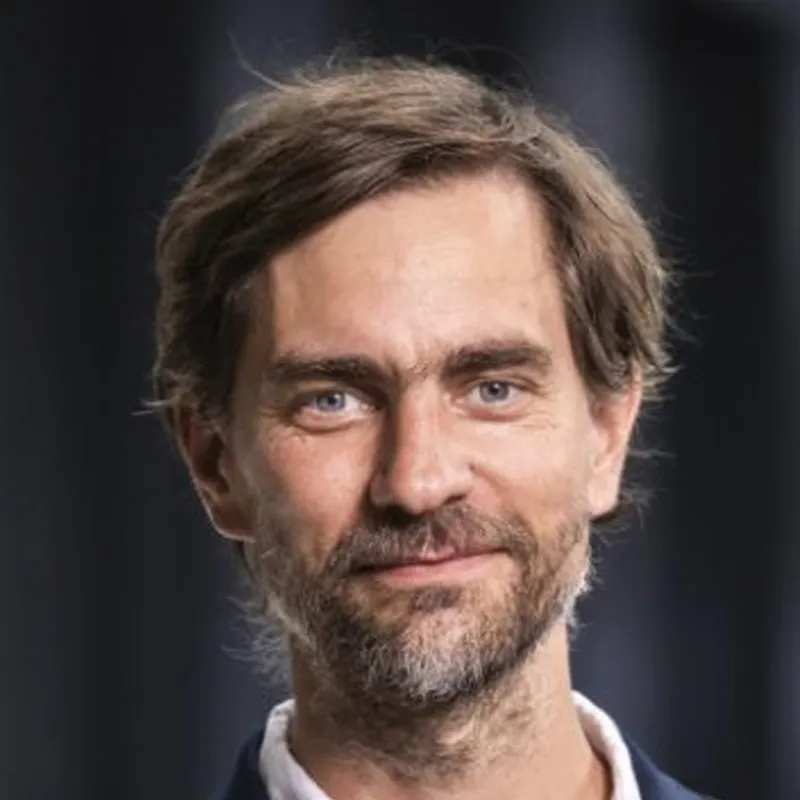
Matyas Fendrych

Institute of Experimental Botany, Czech Academy of Sciences.

Matyáš Fendrych is a group leader at the Institute of Experimental Botany, Prague, Czechia. After his Ph.D. at Charles University, Prague, he moved to Belgium for a postdoc in PSB-VIB in Ghent. He studied programmed cell death in plant roots. During his second postdoc in IST, Austria, he focused on the plant hormone auxin and its effect on development. In 2018, he established a research group at Charles University, Prague, and continued to investigate the molecular mechanisms of auxin’s effect on plants. In 2024, he moved to IEB, where he continues to research auxin signaling pathways.

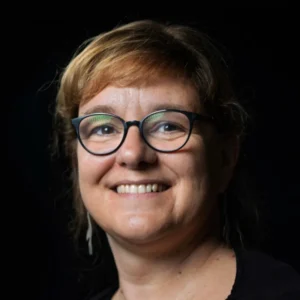
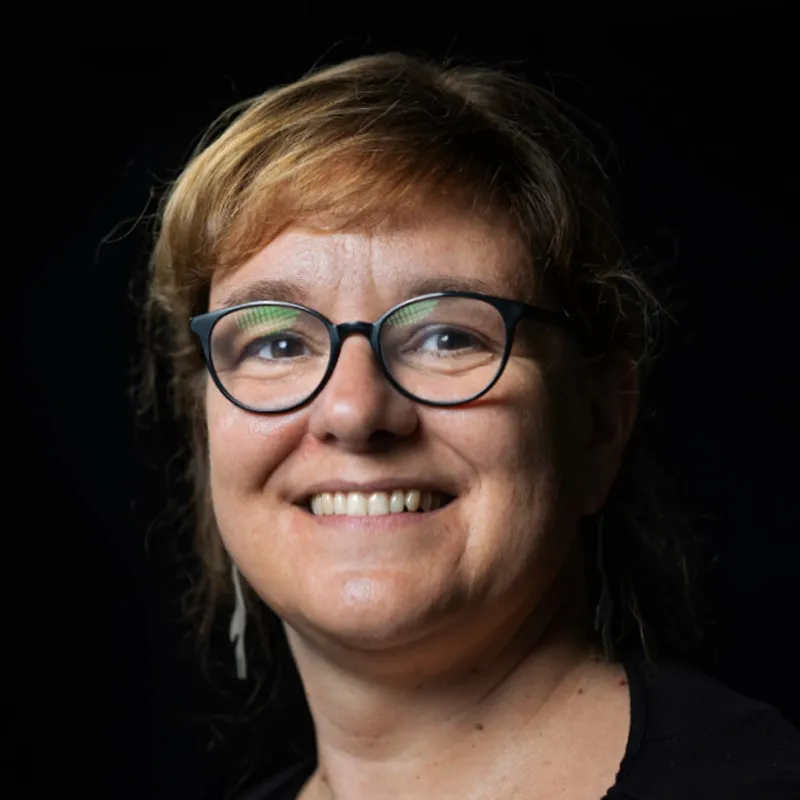
Stéphanie Robert

Professor, Swedish University of Agricultural Sciences (SLU), Umeå Plant Science Centre (UPSC) 

My research brings together cell biology, genetics, and chemical biology to uncover the molecular regulation behind plant form and flexibility. In my lab, we explore how hormones, mechanical forces, and cell walls interact to define cell polarity and shape. Using Arabidopsis thaliana, aspen, and lupin, we aim to reveal how simple cellular rules give rise to the remarkable architecture of plants.

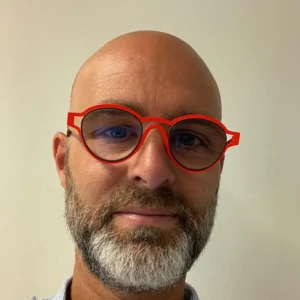
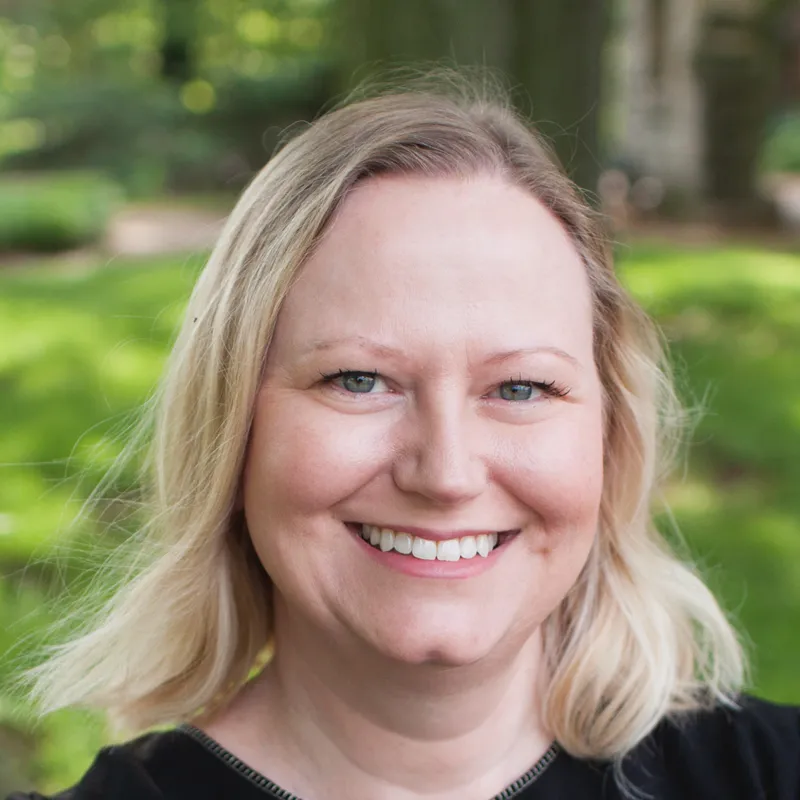
Lucia C. Strader

Howard H. and Maryam R. Newman Chair of Plant Biology

Lucia Strader is the Howard H. and Maryam R. Newman Chair in Plant Biology at the Salk Institute for Biological Studies. Her research program focuses on how plants integrate environmental cues to drive plant growth and development, with two major foci: the plant hormone auxin and gene transcription. Auxin – a critical plant hormone – controls both cell division and cell expansion to orchestrate developmental events and environmental response. Understanding the molecular details of how auxin ‘works’ has revealed strategies plants use to alter growth in response to environmental stimuli. 

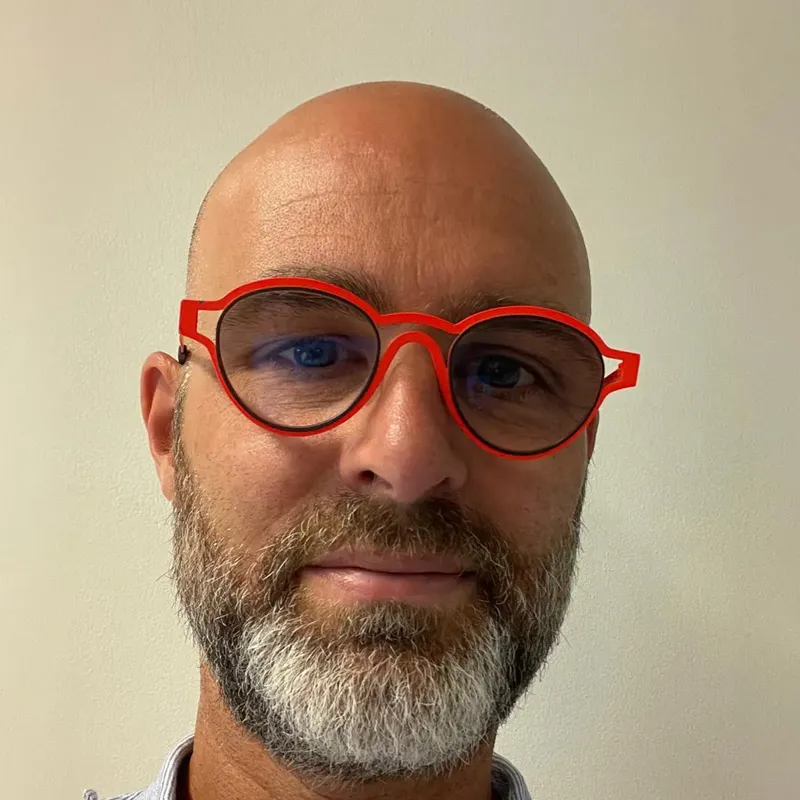
Dolf Weijers

Wageningen University, the Netherlands

Dolf Weijers is a Dutch plant developmental biologist who holds the Chair of Biochemistry at Wageningen University. He obtained his PhD in molecular genetics from Leiden University in 2002, followed by post-doctoral research in Tübingen. His research focuses on the biochemistry and evolution of plant development—with emphasis on rapid (auxin) signaling, mechanobiology and cell polarity. Since joining WUR in 2006, he has built a dynamic, international research group and is widely known for mentoring young scientists whose alumni now hold leading positions across academia and industry worldwide.