Cell Membranes: Processes at the Perimeter

Kent Chapman
Session Chair

Biological membranes are a defining feature of life. This symposium brings together different aspects of membrane biology from the detailed structural organization and dynamic assembly of membrane bilayers to important functions as a facilitator of cellular communication and a regulator of ion fluxes. This excellent set of speakers in the ASPB President’s Symposium will highlight their newest research findings, and at the same time share the broader impacts of their work.

Featured talks
Laboratory of Membrane Biogenesis, CNRS-University of Bordeaux, France

Nano Scale Organization of Plant Plasma Membranes

The plant plasma membrane is a dynamic signalling hub, yet its role in antiviral responses remains unclear. Using super-resolution microscopy, we show that a Ca²⁺-dependent kinase restricts potexvirus spread by phosphorylating the nanodomain protein REMORIN in the lipid-dependant manner altering its interactome, promoting callose deposition at plasmodesmata, and linking membrane organization to actin dynamics.
Associate Professor, Institute of Subtropical Mediterranean Horticulture (IHSM-UMA-CSIC), Malaga, Spain.

Lipid trafficking at Plasma Membrane-ER Contact Sites: Implications for Plant Stress Responses

Plant ER–plasma membrane contact sites are key hubs for lipid trafficking. This talk highlights the emerging roles of different plant synaptotagmins—lipid transporter proteins located at these interfaces—in coordinating lipid exchange and plasma membrane remodeling, thereby preserving lipid homeostasis and enhancing resilience during abiotic stress.
Assistant Professor and Canada Research Chair in Plant Cell Biology
Department of Cell & Systems Biology, University of Toronto

Cell Wall Signaling and Responses at the Plasma Membrane

Cell Wall Signaling and Responses at the Plasma Membrane” Plants monitor cell wall integrity and respond by modulating plant cell wall synthesis and secretion. Important components of both plant cell wall signaling and responses occur at the plasma membrane, the interface between the plant cell and its cell wall.
Building Blocks for Transport Bioengineering

Stomata depend on ion transport to power changes in aperture. We may think of transport as a set of modules from which to devise strategies for improving water use by plants. My laboratory developed and uses the OnGuard platform to model and identify targets for bioengineering. I will outline our successes, including in manipulating native ion channel structures and regulation to improve plant water use efficiency and photosynthesis.
Biotech Foods for Consumers: A road less travelled

A world apart from academic research, the path from developing a polyphenol-rich crop to a product for consumers is not one taken by many research scientists. I will describe the road to commercialization of anthocyanin-enriched, purple tomatoes in the USA and subsequently in Canada and Australia. In describing some of the difficulties encountered and the extra work that was necessary for a successful commercial launch of a new biotech product, I hope to encourage others to believe that there is a viable and affordable route to market, and an appetite for foods that can protect health. The continued support and interest from plant scientists globally was key to the eventual success of this venture, which laid the foundation and generated the optimism for developing more heath-protecting biotech foods that could deliver nutrition security. I hope to encourage others to develop products designed for consumers from their research.

Sébastien Mongrand

Director of Research CNRS, France

Sébastien Mongrand is a plant biologist at the Laboratory of Membrane Biogenesis in Bordeaux whose work has significantly advanced the understanding of plant plasma membrane organization and its role in cell signaling. His research integrates lipidomics, genetics, molecular biology, and cutting-edge microscopy to explore how membrane nanodomains regulate plant immunity, stress responses, and signal transduction. His team has revealed the importance of GIPCs as key structural sphingolipids and receptors for necrotrophic toxins, and has uncovered new links between lipid organization, calcium and ROS signaling during viral propagation. He is also committed to training young researchers and fostering interdisciplinary approaches in membrane biology.

Noemí Ruiz Lopez

Associate Professor, Institute of Subtropical Mediterranean Horticulture (IHSM-UMA-CSIC), Malaga, Spain.

Noemi Ruiz-López is an Associate Professor at the University of Málaga. Her research explores the molecular mechanisms controlling lipid trafficking at membrane contact sites in plants under stress. She studies synaptotagmins, SMP-domain lipid transporters, including SYT1 and SYT3 at ER–plasma membrane sites, NTMC2T5 at ER–chloroplast contacts, and SYT6 and its interactions with VAMP721 at the trans-Golgi network, to uncover their roles in membrane lipid homeostasis. By combining cell biology, lipidomics, and molecular genetics, her work reveals how lipid transporters at contact sites enable plant adaptation to environmental challenges.

Heather E. McFarlane

Assistant Professor and Canada Research Chair in Plant Cell Biology 
Department of Cell & Systems Biology, University of Toronto

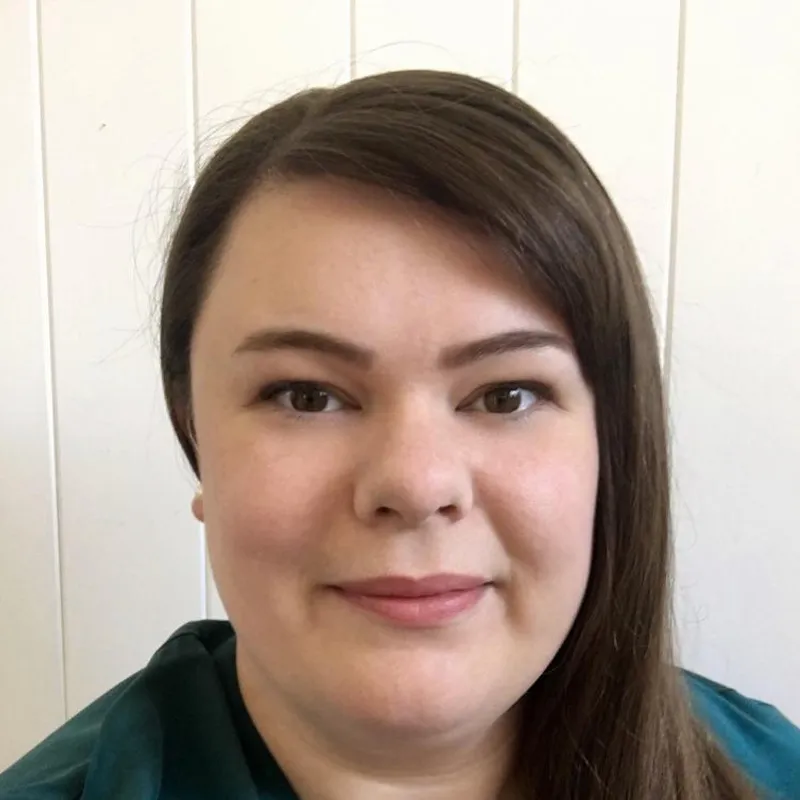
Dr. Heather E. McFarlane is an Assistant Professor and Canada Research Chair in Plant Cell Biology in the Department of Cell & Systems Biology at the University of Toronto. She earned her PhD at the University of British Columbia and was a postdoc at the Max Planck Institute for Molecular Plant Physiology and the University of Melbourne. The McFarlane Lab studies plant cell wall synthesis, secretion, signaling, and remodeling with a view to improving plant cell walls for food, biomaterials, and green energy.

Website: https://mcfarlane.csb.utoronto.ca/

Michael R. Blatt

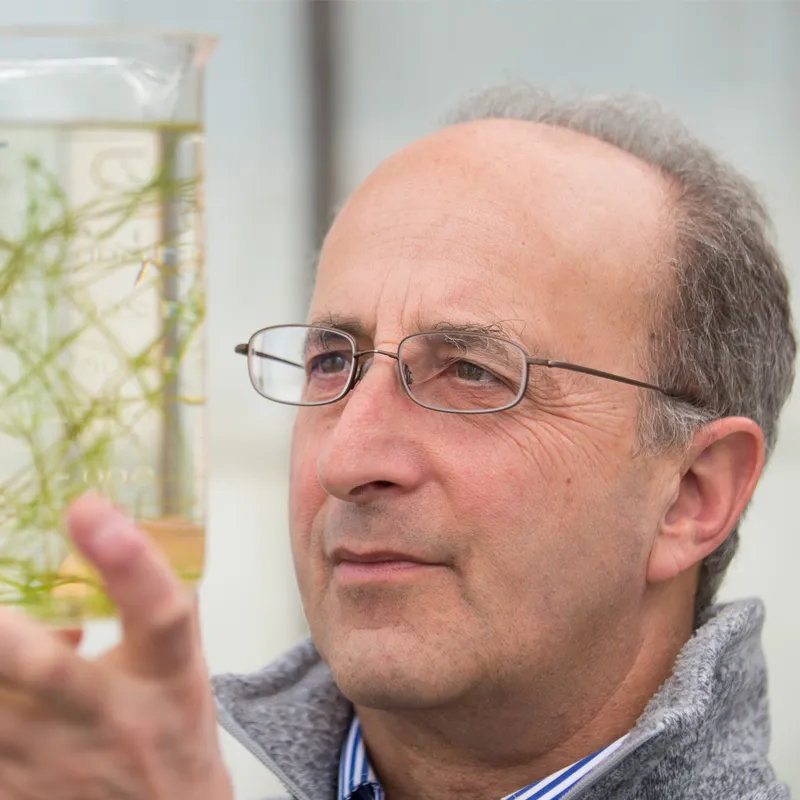
Mike Blatt has studied plants for more than four decades and is recognised globally for his research on stomatal guard cells, photosynthesis and water use by plants. He is one of a handful of experts in electrophysiology researching the biophysics and physiology of plant membranes, vesicle traffic and ion transport. Mike’s recent work has expanded to ion channel structure and to photosynthetic CO2 uptake and stomatal water loss. He developed the first mechanistic and quantitative modelling platform for stomata that spans dimensions from molecule to the field. Mike now uses this platform to guide stomatal bioengineering for crop improvement.

Cathie Martin

John Innes Centre, Norwich

Biotech Foods for Consumers: A road less travelled

A world apart from academic research, the path from developing a polyphenol-rich crop to a product for consumers is not one taken by many research scientists. I will describe the road to commercialization of anthocyanin-enriched, purple tomatoes in the USA and subsequently in Canada and Australia. In describing some of the difficulties encountered and the extra work that was necessary for a successful commercial launch of a new biotech product, I hope to encourage others to believe that there is a viable and affordable route to market, and an appetite for foods that can protect health. The continued support and interest from plant scientists globally was key to the eventual success of this venture, which laid the foundation and generated the optimism for developing more heath-protecting biotech foods
that could deliver nutrition security. I hope to encourage others to develop products designed for consumers from their research.

Choong-Min Ryu

KRIBB, S. Korea

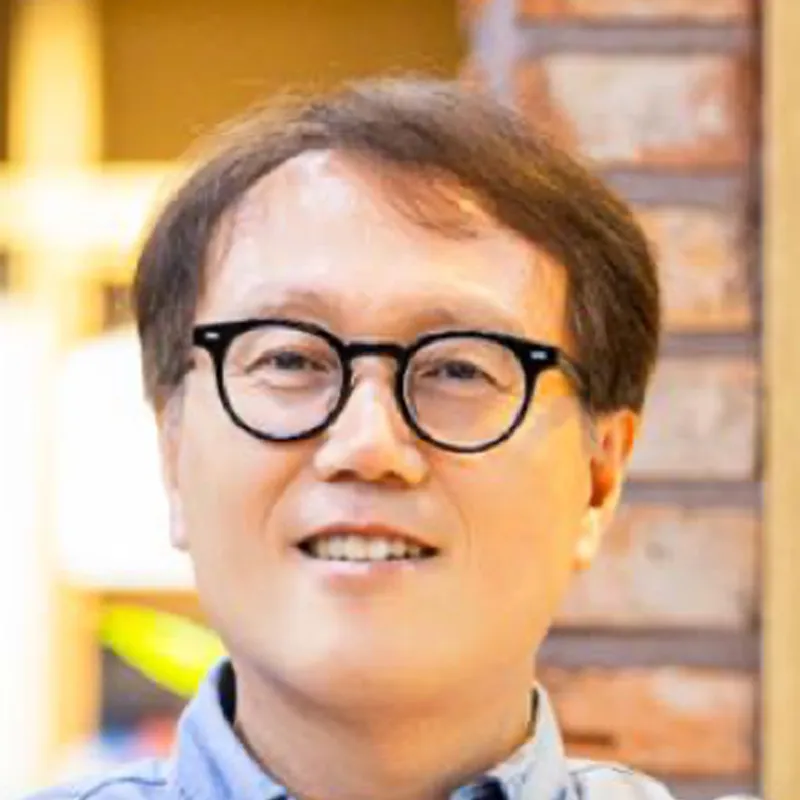
Choong-Min Ryu is the head of the Infectious Disease Research Center at KRIBB, South Korea, and a Specialty Chief Editor of Frontiers in Plant Science. He graduated from Auburn University, USA, under Joseph W. Kloepper. He discovered bacterial volatile compound-mediated plant immune activation and growth promotion as well as inter-/intra-specific interactions. He joined KRIBB in 2004 after a post-doctoral experience at The S. R. Noble Foundation. He is interested in plant senses and communications such as by sound vibrations. In his research field including plant-microbe interactions and antimicrobial resistance, he has published over 230 papers that have been cited more than 27,000 times (according to Google Scholar).

Natalia Dudareva

Professor, Department of Biochemistry and Purdue Center for Plant Biology, Purdue University, West Lafayette, IN

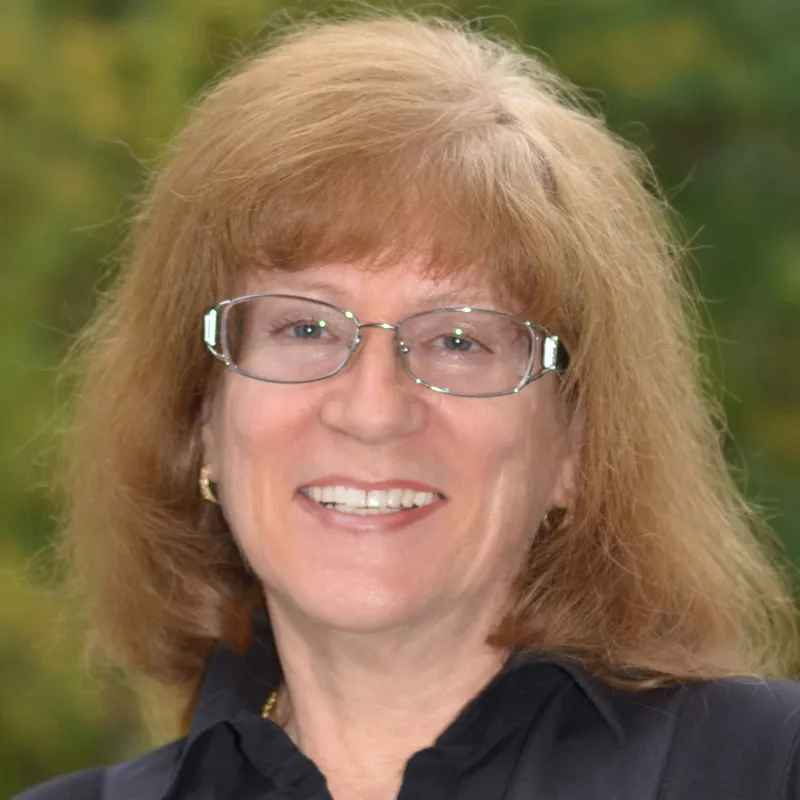
Natalia Dudareva is a Distinguished Professor in the Department of Biochemistry at Purdue University in West Lafayette, Indiana. With a primary focus on volatile organic compounds, her laboratory investigates the biochemical and molecular mechanisms underlying the formation of primary and secondary metabolites in plants. Their research explores the functions of these metabolites in planta, the fundamental aspects involved in volatile release from cells and the molecular basis of their perception as part of plant-plant communication. Dr. Dudareva published 167 papers, 28 book chapters, and three books, and gave more than 280 invited lectures at conferences and other universities.